
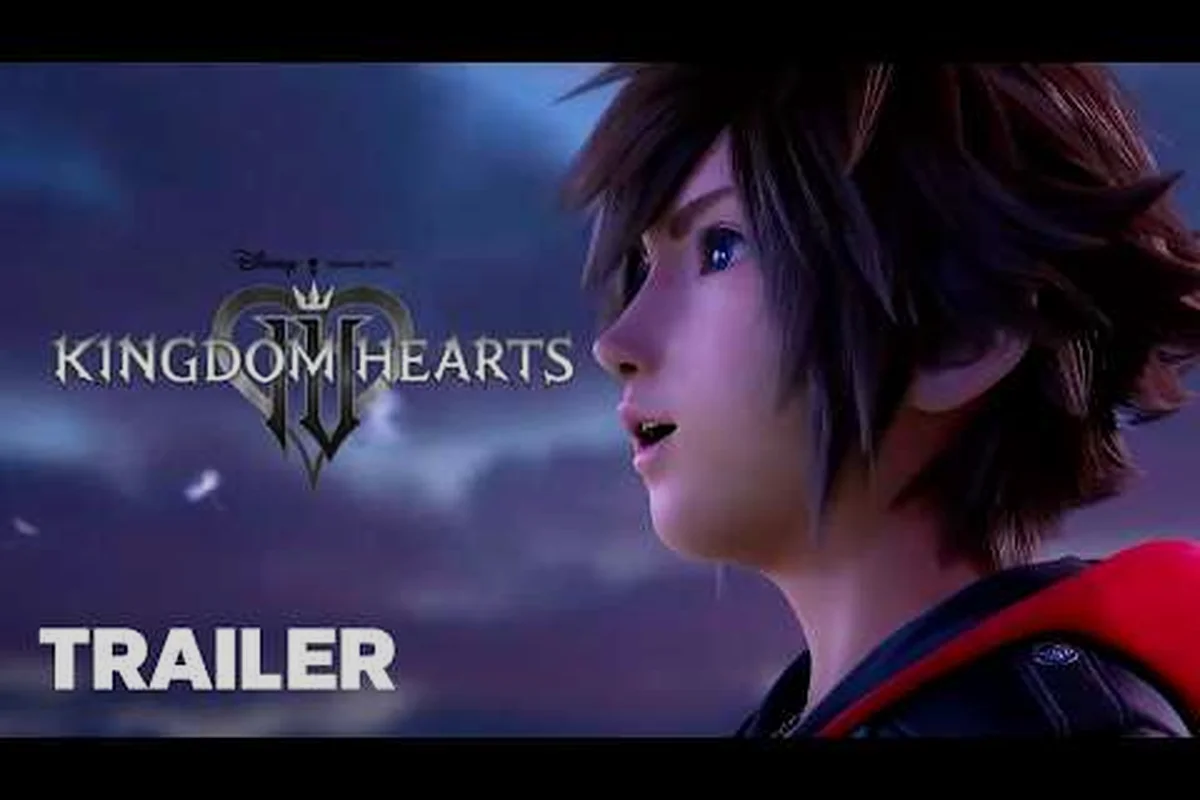
The kingdom hearts 4 worlds lineup marks a dramatic tonal shift for the series, placing photorealistic urban environments alongside traditional Disney-inspired realms. Square Enix confirmed the full platform lineup and late 2027 release window in an August 2026 press release, giving players their first concrete look at how Quadratum functions as a central hub. Understanding the structure of these worlds matters because it directly affects traversal, combat pacing, and narrative progression throughout the Lost Master arc.
Quadratum as the Central Hub World
Quadratum is not a traditional Disney world. It operates as a life-like, realistic city that mirrors modern Tokyo, specifically drawing heavy visual inspiration from the Shibuya district. According to the official KINGDOM HEARTS IV on Steam page, five official screenshots show Sora exploring a photorealistic Tokyo-inspired city while fighting Heartless in broad daylight. The world functions as both a narrative anchor and a mechanical playground for parkour and Keyblade transformations.
The significance of kingdom hearts 4 quadratum goes beyond aesthetics. Sora becomes trapped in this world after the events of Melody of Memory, and the story treats Quadratum as an "afterworld" or parallel reality rather than a conventional planet in the Kingdom Hearts cosmology. This framing allows the developers to introduce new rules for how Heartless spawn, how NPCs react, and how exploration flows compared to previous entries. Players who have spent dozens of hours in Traverse Town or Twilight Town will notice that Quadratum feels denser and more vertical.
| Quadratum Feature | Description | Gameplay Impact |
|---|---|---|
| Minami Aoyama District | Real-world shopping and residential area | Primary exploration zone with rooftop traversal |
| Apartment Hub | Sora's living space within Quadratum | Safe room for saving, item management, and cutscenes |
| Parkour Routes | Wall-running, ledge-climbing, rail-grinding paths | Faster vertical navigation across city blocks |
| Keyblade Grappling Hook | New traversal tool for reaching high ledges | Expands exploration beyond ground-level combat |
| Heartless Encounters | Realistic city enemies integrated into streets | Blends exploration with frequent combat interruptions |
The kingdom hearts 4 minami aoyama district guide dives deeper into how this specific Tokyo neighborhood shapes the early-game experience. Community reports suggest the district's layout rewards players who master the parkour system early, because many hidden chests and collectibles sit on rooftops that require precise wall-runs to reach.
How Quadratum Changes World Design
Kingdom hearts 4 quadratum explained in simple terms means understanding that this world prioritizes verticality and realism over fantasy theming. Previous Kingdom Hearts hub worlds like Radiant Garden or Twilight Town featured distinct zones separated by loading screens. Quadratum appears to use a more seamless approach, allowing players to run from street level to rooftop without major transitions.
This design choice aligns with the return of Flowmotion-inspired parkour, though Square Enix has not confirmed whether the mechanic uses the exact same name. The Keyblade grappling hook adds another layer, letting players latch onto anchor points scattered across the city. These traversal options matter because they change how quickly players can disengage from combat or reach story objectives.
One key difference from previous games is how the kingdom hearts 4 shibuya aesthetic influences enemy placement. Heartless do not emerge from darkness portals in isolated arenas. Instead, they materialize on streets, in alleys, and near train stations, which creates a different rhythm for random encounters. Players who prefer methodical exploration will need to adapt to this density.
The Tokyo-Inspired World of Shibuya
The kingdom hearts 4 tokyo world connection is not just visual homage. Shibuya's iconic crossing, neon signage, and dense pedestrian flow appear to serve as the foundation for Quadratum's central district. Nomura has described Quadratum as a "living city" that contrasts sharply with the more abstract, fantastical worlds Sora typically visits.
This contrast serves a narrative purpose. By placing Sora in a world that resembles our own, the story forces both the character and the player to question what constitutes reality within the Kingdom Hearts universe. The concept of fiction versus reality becomes a central theme, and the world design reinforces this through environmental storytelling. Abandoned buildings, flickering advertisements, and oddly quiet subway entrances hint at something wrong beneath the surface.
| Shibuya-Inspired Element | In-Game Function | Narrative Significance |
|---|---|---|
| Scramble Crossing | Central navigation landmark | Represents the collision of worlds |
| Neon Commercial District | Exploration zone with shops | Contrasts light and darkness themes |
| Rooftop Water Towers | Parkour anchor points | Visual link to Tokyo urban imagery |
| Subway Entrances | Possible transition zones | Hints at deeper Quadratum layers |
| Apartment Buildings | NPC housing and side quests | Grounds the world in everyday life |
The realistic setting also impacts how Disney elements are introduced. Rather than traveling to a cartoon world immediately, players experience Quadratum as a grounding point. This pacing decision allows Square Enix to establish the new tone before reintroducing the whimsical Disney aesthetic. The kingdom hearts 4 quadratum structure essentially serves as a narrative palate cleanser.
Traversal Mechanics Unique to Quadratum
The Keyblade grappling hook deserves special attention because it represents a mechanical evolution from Kingdom Hearts III's attraction flow and shotlock systems. Instead of summoning large-scale attacks, this tool focuses on mobility. Players can target specific ledges, poles, or anchor points to pull Sora upward quickly.
Combined with parkour wall-running, this creates a traversal loop that feels closer to action-adventure games like Spider-Man or Assassin's Creed than traditional Kingdom Hearts platforming. The shift makes sense for a realistic world, because jumping between floating platforms would clash with the grounded aesthetic. Instead, Sora moves through urban spaces using architecture as his path.
Disney Worlds Confirmed So Far
While Quadratum dominates the marketing, the kingdom hearts 4 worlds lineup includes at least one confirmed Disney property. The D23 2026 extended trailer revealed a world inspired by Disney and Pixar's Coco. This announcement came alongside the official late 2027 release window confirmation from Square Enix.
The kingdom hearts 4 coco world is significant for several reasons. First, it represents the first time the Land of the Dead has appeared in a Kingdom Hearts game. Second, the vibrant, colorful aesthetic contrasts sharply with Quadratum's muted realism, creating visual variety. Third, the themes of memory and family in Coco align closely with Kingdom Hearts' ongoing exploration of connection and loss.
| Disney World | Source Property | Confirmed Elements | Expected Tone |
|---|---|---|---|
| Land of the Dead | Coco (2017) | Miguel, alebrijes, marigold bridges | Colorful, emotional, music-driven |
| Unannounced World 1 | TBD | Not yet revealed | Unknown |
| Unannounced World 2 | TBD | Not yet revealed | Unknown |
| Quadratum (Hub) | Original | Sora's apartment, Shibuya districts | Realistic, mysterious |
The kingdom hearts 4 pixar worlds breakdown covers the broader implications of Pixar properties joining the roster. Community speculation suggests that the Coco world will feature a music-based combat mechanic, though Square Enix has not confirmed this. What is confirmed is that playable segments with Mickey Mouse, Donald Duck, and Goofy will appear as they search for news of Sora across various worlds.
Why Coco Fits the Kingdom Hearts Formula
Coco's narrative revolves around memory, family legacy, and the boundary between life and death. These themes map directly onto Kingdom Hearts' core concepts of hearts, connections, and the afterlife. The Land of the Dead offers a visually stunning environment with marigold petals, glowing alebrijes, and towering skeletal architecture.
The kingdom hearts 4 coco world also provides an opportunity for unique enemy design. Heartless could take forms inspired by shadow alebrijes or corrupted spirits. While this is speculation, the visual language of Coco lends itself well to Kingdom Hearts' blend of whimsy and darkness. Players can expect emotional story beats, particularly if Sora's situation in Quadratum mirrors the film's themes of being forgotten or separated from loved ones.
World Order and Narrative Progression
Understanding how kingdom hearts 4 worlds connect requires examining the game's narrative structure. The Lost Master arc positions Quadratum as the starting point, but the story will likely branch outward as Sora discovers ways to travel between realities. Unlike previous games where Sora traveled to Disney worlds in a somewhat linear order, Quadratum's status as an "unreality" complicates traditional world traversal.
The kingdom hearts 4 returning worlds guide examines whether classic locations like Traverse Town or Daybreak Town might reappear. Community reports suggest that some returning worlds may function differently under the new reality-bending rules, but Square Enix has not confirmed specific returning locations beyond what appears in trailers.
| Narrative Phase | Primary World | Player Objective | Key Characters |
|---|---|---|---|
| Opening | Quadratum | Escape or understand the new reality | Sora, Strelitzia |
| Early Disney Worlds | Land of the Dead (Coco) | Find allies and restore memories | Sora, Miguel, Donald, Goofy |
| Mid-Game | Unannounced worlds | Uncover Lost Master plot | Sora, Master of Masters (speculated) |
| Climax | Quadratum or final world | Confront the central antagonist | Full party |
This structure suggests that Quadratum will remain relevant throughout the game rather than being abandoned after the opening hours. The hub world function means players return frequently for upgrades, story beats, and side content. This design choice mirrors Kingdom Hearts III's approach with Twilight Town, but with greater narrative integration.
How Side Content Fits Into World Design
Square Enix has not detailed the full side content structure, but the Steam page's Action, Adventure, and RPG tags suggest a blend of combat, exploration, and character progression. Quadratum's realistic city setting opens possibilities for NPC-driven side quests that differ from traditional item fetch quests in Disney worlds.
Players might assist citizens dealing with Heartless sightings, investigate strange occurrences in specific districts, or help Strelitzia understand Sora's presence in Quadratum. These grounded quests would contrast nicely with the more fantastical objectives in Disney worlds like the Coco realm. The variety keeps the world structure from feeling repetitive.
How Quadratum Connects to the Broader Series
The kingdom hearts 4 quadratum concept builds on ideas introduced in Kingdom Hearts III's secret ending and the Yozora storyline. Yozora, a character from the fictional video game Verum Rex, appeared in that ending and confronted Sora in a realistic city that matches Quadratum's aesthetic. This connection suggests that the line between video games and reality within the Kingdom Hearts universe is a central theme.
Strelitzia, a Keyblade wielder from Kingdom Hearts Union χ, also appears in Quadratum. Her presence hints that the world functions as a crossroads for characters who have been lost, erased, or removed from the main timeline. The kingdom hearts 4 quadratum story analysis explores these narrative threads in greater depth, including the implications of Sora's apartment and its connections to Yozora's world.
| Character | Current Status | Connection to Quadratum |
|---|---|---|
| Sora | Trapped in Quadratum | Protagonist navigating the new reality |
| Strelitzia | Present in Quadratum | Guide or ally from Union χ era |
| Yozora | Status unknown | Featured in Quadratum-like setting in KH3 ending |
| Donald, Goofy, Mickey | Searching for Sora | Playable segments across Disney worlds |
| Master of Masters | Not confirmed in Quadratum | Central figure in Lost Master arc |
The narrative implications are significant. If Quadratum exists outside the normal Kingdom Hearts reality, then the rules of hearts, darkness, and Keyblades may function differently there. This explains why Sora appears more vulnerable or confused in trailers, and why the Heartless designs in Quadratum look more realistic and menacing than their cartoon counterparts in Disney worlds.
The Role of the Anime Series
Square Enix announced an original Kingdom Hearts anime series in development for Disney Channel and Disney+. While this does not directly add a new playable world, it expands the narrative universe and may introduce locations that later appear in games. The series is being developed with Tetsuya Nomura and Square Enix, suggesting close narrative coordination with the game.
This transmedia approach means that kingdom hearts 4 worlds could receive additional context through the anime. A location shown in the series might appear as a playable world in a future update or DLC. For now, the anime serves as supplementary storytelling that enriches the Lost Master arc without replacing in-game exploration.
Frequently Asked Questions
Is Quadratum the only original world in KINGDOM HEARTS IV?
Quadratum is the primary original world confirmed so far, functioning as both narrative anchor and hub. Square Enix has not announced additional original worlds, though the realistic setting suggests that other "unreality" locations may exist. The focus remains on how Quadratum connects to the broader kingdom hearts 4 worlds structure.
How does the Coco world connect to Quadratum?
The narrative connection between the kingdom hearts 4 coco world and Quadratum has not been fully explained. Both deal with themes of memory and separation, which likely ties them together thematically. Sora may travel to the Land of the Dead to understand his own situation or to find a way back to his friends.
Will KINGDOM HEARTS IV feature more realistic worlds beyond Quadratum?
Square Enix has not confirmed additional realistic worlds beyond Quadratum. The development team has emphasized Quadratum as a unique counterpoint to Disney worlds, suggesting it may remain the sole realistic location. Future announcements could reveal more, but current information points to Quadratum as the primary realistic setting.
What gameplay changes come with Quadratum's realistic design?
Quadratum swaps traditional floating platforms for architecture-based parkour and a Keyblade grappling hook, letting Sora scale Shibuya-style buildings and chain vertical routes across rooftops. Enemy encounters are denser, woven directly into city streets, and combat emphasizes mobility and repositioning over the wider, flatter arenas of earlier Disney worlds.
Can I visit Quadratum freely after the opening hours?
Yes. Quadratum is Sora’s home base in Kingdom Hearts 4, and the Tokyo-inspired Shibuya district serves as the central hub you can freely explore between missions. It’s not a one-time tutorial area — you return to Quadratum regularly as the Lost Master arc progresses, using Sora’s apartment as your anchor point.